Natural Fiber Lighting: Handmade Raffia, Palm & Sisal Lamps for Your Home
https://raffiaobjects.com/product-category/raffia-rug-lighting-basket
Natural fiber lighting : Handmade Raffia, Palm & Sisal Lamps for Your Home brings together two beautiful elements: functional lighting and handmade craftsmanship.
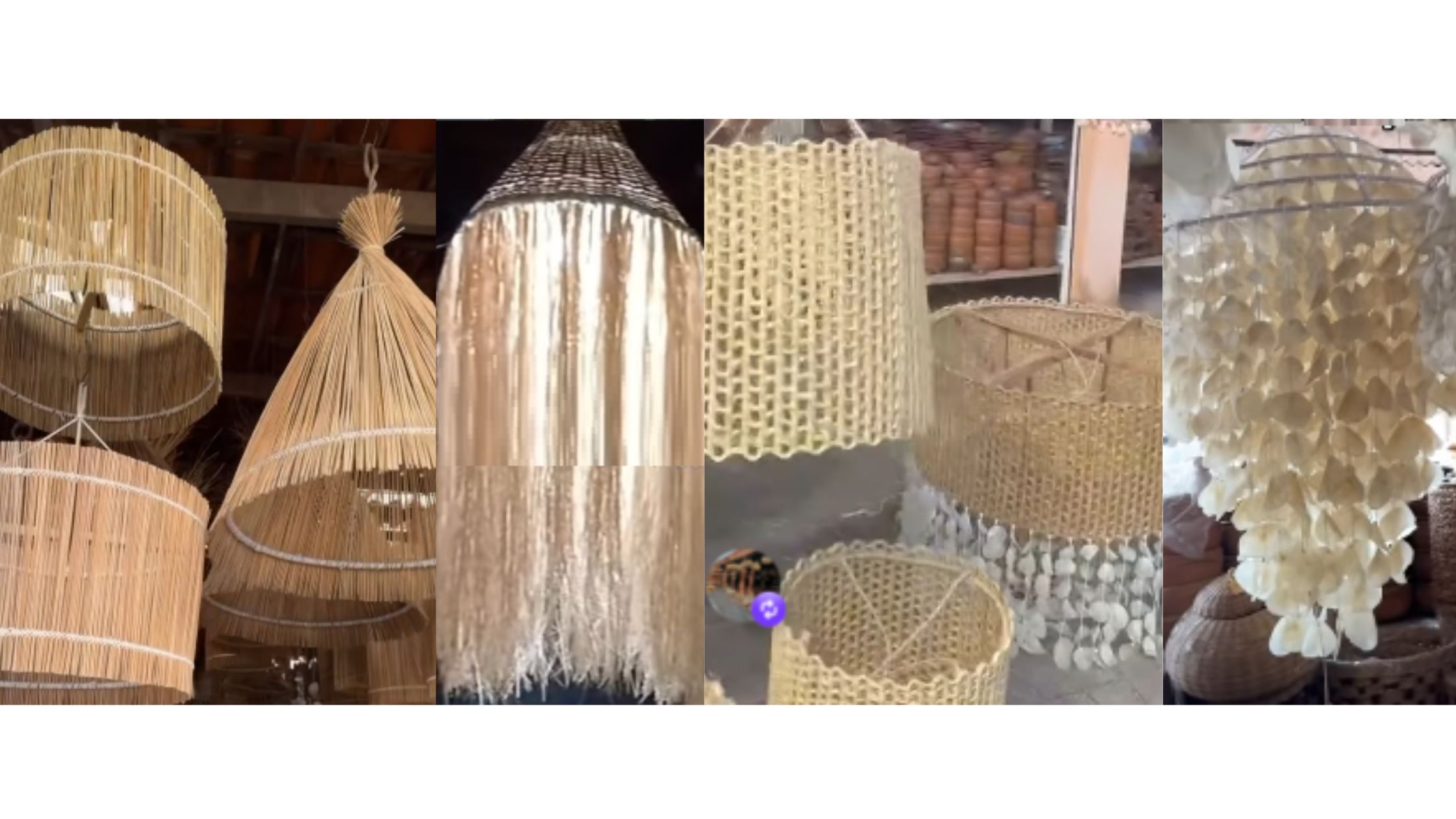
Raffia, palm leaves, sisal, grasses, and other plant fibers can be transformed into pendant lights, lampshades, ceiling fixtures, and decorative lighting pieces. Their woven textures allow light to interact with the material, creating patterns of shadow and a warm, natural atmosphere.
For customers looking to create a boho, coastal, tropical, farmhouse, Japandi, rustic, or organic-modern interior, natural fiber lighting can become an important decorative element.
At Raffia Objects, we celebrate handmade Brazilian craftsmanship by connecting natural materials with contemporary home décor.
How Is Natural Fiber Lighting Made?
Creating a natural fiber lamp is a combination of material preparation, traditional handwork, design, and careful finishing.
The exact process varies according to the fiber and the artisan’s technique.
1. Selecting the Natural Fiber
The artisan first selects an appropriate material.
Common options include:
- Raffia
- Palm leaves
- Sisal
- Natural grasses
- Jute
- Seagrass
- Other plant-based fibers
Each material has a different texture, flexibility, thickness, and natural color.
2. Preparing the Material
The plant material is cleaned, dried, and prepared for weaving.
Depending on the fiber, it may be divided into strands, strips, or thinner pieces.
Proper preparation is important because the material needs to be flexible enough to work with while retaining enough strength for the finished structure.
3. Creating the Shape
The artisan begins creating the lampshade or pendant structure.
Natural fibers may be:
- Woven
- Braided
- Twisted
- Coiled
- Wrapped
- Layered
Different techniques create completely different visual effects.
A tightly woven lampshade produces a more structured appearance, while an open weave allows more light to pass through.
4. Building the Lampshade
The artisan gradually develops the desired shape.
This might be:
- Cylindrical
- Round
- Dome-shaped
- Conical
- Tiered
- Curved
- Irregular or sculptural
The shape determines how the lamp distributes light throughout the room.
5. Finishing the Edges
The edges are carefully finished to create a clean appearance and help maintain the shape of the piece.
This is particularly important with handmade natural-fiber lighting because the edges receive attention during installation and everyday handling.
6. Adding the Lighting Components
The natural-fiber shade is combined with the appropriate lighting hardware.
Depending on the design, this can include:
- Pendant cord
- Lamp holder
- Ceiling canopy
- Electrical cable
- Internal support
- Other appropriate hardware
Important: The electrical components should be appropriate for the lamp and installed according to applicable electrical requirements. Customers should follow the manufacturer’s instructions and local electrical codes, and use a qualified electrician when necessary.
Raffia Fiber Lighting
Raffia is one of the most recognizable natural fibers in handmade décor.
Its flexible texture allows artisans to create beautiful woven and sculptural forms.
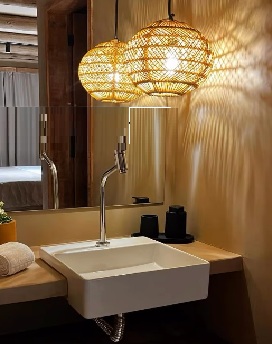
Raffia pendant lights can have an especially warm appearance when combined with warm-white bulbs.
Raffia lighting works beautifully with:
- Boho interiors
- Coastal homes
- Tropical décor
- Organic modern spaces
- Japandi interiors
- Rustic homes
- Farmhouse décor
- Beach houses
The natural variation of the fiber also means that each handmade piece can have subtle differences in texture and color.
Palm Fiber Lighting
Palm leaves and palm fibers can also be used in handmade lighting.
The material can be woven, folded, braided, or layered to create lampshades with a distinctly organic appearance.
Palm-fiber lighting works particularly well in rooms where the customer wants a light, relaxed, natural atmosphere.
Think of a dining room with a wooden table, linen chairs, ceramic tableware, and a woven palm pendant above the table.
The lighting becomes both functional and decorative.
Sisal Lighting
Sisal is a stronger and more structured natural fiber. It can be used in woven or braided decorative applications, including certain lampshade designs.
Because sisal has a naturally textured surface, it can add visual depth to a simple room.
Sisal lighting can complement:
- Rustic interiors
- Farmhouse homes
- Natural wood furniture
- Neutral interiors
- Organic modern décor
- Boho spaces
Why Does Natural Fiber Lighting Create Beautiful Shadows?
One of the most attractive characteristics of woven lighting is the interaction between light and texture.
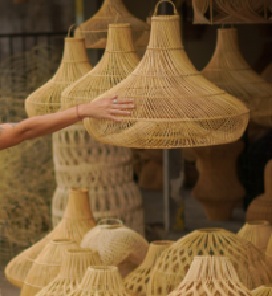
When light passes through openings in a woven or braided lampshade, it can create patterns on nearby walls and surfaces.
A tighter weave produces a softer and more controlled light effect.
A more open weave allows more light through and can create stronger patterns.
This means that the same type of natural material can create very different atmospheres depending on:
Fiber + weave + shape + bulb + room
That is one reason handmade natural fiber lighting can feel so distinctive.
Where Can Customers Use Natural Fiber Lighting?
Living Room
A large natural fiber pendant can become a focal point above a coffee table or central seating area.
Pair it with:
- Natural wood
- Linen
- Handmade ceramics
- Woven baskets
- Plants
- Neutral textiles
The result is a warm and organic living space.
Dining Room
The dining table is one of the most popular places for a statement pendant light.
A large raffia or palm pendant above the table can visually define the dining area while adding texture overhead.
For long dining tables, customers may also consider multiple smaller pendants, depending on the room and electrical layout.
Kitchen
A natural-fiber pendant can work beautifully above:
- Kitchen islands
- Breakfast counters
- Dining nooks
- Bar areas
However, customers should consider heat, steam, grease, humidity, and the manufacturer’s suitability instructions when selecting a natural-fiber fixture for a kitchen.
Natural fibers should not be placed where they can come into direct contact with heat sources.
Bedroom
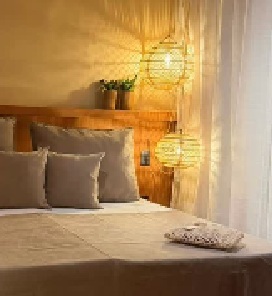
A smaller woven pendant can create a calm atmosphere in a bedroom.
Natural fiber lighting pairs particularly well with:
- Linen bedding
- Wooden furniture
- Neutral colors
- Plants
- Handmade décor
A pendant beside the bed can also be an alternative to traditional bedside lamps when the electrical installation is designed for it.
Entryway
A natural fiber pendant can make an immediate impression when customers enter the home.
A woven ceiling light combined with a console table, mirror, ceramic object, and natural basket can create a warm entryway.
Home Office
Natural lighting materials can soften the appearance of an office dominated by desks, computers, and other hard surfaces.
A small woven pendant or natural-fiber lampshade can introduce texture without overwhelming the room.
Covered Patio or Sunroom
Raffia and palm lighting can complement tropical plants, wood furniture, and natural textiles in a covered space.
But customers should always verify whether a particular lighting fixture is suitable for the location.
Natural fiber lighting intended for indoor use should not automatically be considered suitable for outdoor installation.
Rain, humidity, wind, and direct sunlight can damage natural fibers and electrical components.
Natural Fiber Lighting by Interior Style
Boho Lighting
Combine woven raffia with plants, textiles, baskets, ceramics, and layered textures.
Coastal Lighting
Palm, raffia, and light natural fibers work beautifully with white, beige, sand, and blue tones.
Japandi Lighting
Choose simple silhouettes and subtle natural textures.
Farmhouse Lighting
Natural fiber shades can soften wood furniture and neutral finishes.
Tropical Lighting
Raffia and palm fibers create an especially natural connection with plants and tropical-inspired décor.
Organic Modern Lighting
Pair a sculptural woven pendant with clean-lined furniture and natural materials.
Detailed Care Guide for Natural Fiber Lighting
Natural fiber lamps require special care because the material is exposed to light, heat, and airborne dust.
1. Turn Off and Unplug Before Cleaning
Always switch off the fixture before cleaning.
If the fixture can be safely disconnected, disconnect it before performing more detailed cleaning.
Never clean an energized electrical fixture with a wet cloth.
2. Remove Dust Regularly
Use a soft dry cloth, feather duster, or very soft brush.
For woven surfaces, gently move along the direction of the fiber instead of aggressively rubbing across the weave.
3. Use Low-Suction Vacuuming When Appropriate
A vacuum with a soft brush attachment can help remove dust from larger woven lampshades.
Use low suction and avoid catching loose fibers in the vacuum.
4. Avoid Soaking the Lampshade
Natural fibers can absorb water.
Never immerse a natural-fiber lampshade in water unless the manufacturer specifically states that the material is washable.
Excessive moisture may cause:
- Warping
- Weakening
- Discoloration
- Mold or mildew
- Changes in shape
5. Clean Small Marks Carefully
For a small mark, use a barely damp, well-wrung cloth only if the material and finish permit it.
Always test an inconspicuous area first.
6. Keep the Fixture Away From Excessive Heat
This is especially important.
Natural fibers should not touch bulbs or heat-producing electrical components.
Use the bulb type, wattage, clearance, and installation configuration specified by the lamp manufacturer.
LED bulbs generally produce less heat than traditional incandescent bulbs, but customers should still follow the fixture’s instructions and required clearances.
7. Avoid Direct Contact With Flames
Natural plant fibers are combustible.
Keep the lampshade away from candles, fireplaces, open flames, and other ignition sources.
8. Protect From Excessive Humidity
Avoid installing indoor natural-fiber lighting in locations with persistent high humidity unless the product is specifically designed for that environment.
9. Protect From Direct Sunlight
Long-term intense sunlight may gradually change the color of natural fibers.
Positioning the lamp away from prolonged direct sunlight can help preserve its appearance.
10. Check the Fixture Periodically
Customers should occasionally inspect:
- Fiber condition
- Loose strands
- Electrical cord
- Lamp holder
- Ceiling attachment
- Canopy
- Signs of heat damage
If there is visible damage to the electrical components, the fixture should not be used until it has been properly inspected or repaired.
How to Choose the Right Natural Fiber Pendant Light
Before purchasing a woven pendant, customers should consider:
Room Size
A large room can accommodate a larger statement pendant, while a smaller room may benefit from a more compact fixture.
Ceiling Height
The height of the fixture and hanging cord should be appropriate for the ceiling and furniture below it.
Table Size
For dining tables and kitchen islands, the fixture should be proportionate to the furniture.
Amount of Light
Consider whether the customer wants:
- Ambient lighting
- Decorative lighting
- Focused lighting
- A combination of lighting layers
Fiber and Weave
A dense weave and an open weave create different lighting effects.
Installation
Customers should verify compatibility with their electrical system and follow installation instructions.
Natural Fiber Lighting Is More Than a Lamp
A natural fiber pendant is not simply something hanging from the ceiling.
It can become a sculptural element in the room.
The weave creates texture.
The fiber introduces natural color.
The shape adds visual interest.
And when the light is switched on, the handmade structure becomes part of the lighting experience.
This is what makes handmade Brazilian natural-fiber lighting so interesting for customers who want their homes to feel personal rather than mass-produced.
Bring Brazilian Artisan Lighting Into Your Home
From raffia pendant lights and palm-fiber lampshades to woven natural-fiber ceiling fixtures, handmade lighting brings together craftsmanship, natural materials, and interior design.
Whether your style is boho, coastal, farmhouse, Japandi, tropical, rustic, or organic modern, a natural fiber light can add warmth and texture to your space.
At Raffia Objects, we believe handmade Brazilian décor deserves a place in contemporary homes around the world.
Explore our Natural Fiber Lighting collection and discover handmade Brazilian pieces created to bring texture, warmth, and artisan character into your home.